Walking for weight loss: calories burned by 10,000 steps
How many calories 10,000 steps burn at 130–300 lb, by pace, with the method shown. How long it takes, how far it is, and how steps fit a calorie deficit.
Read the articleWalking is the movement most people can repeat. These pieces cover what extra steps change, and a short home session for days you do not go out. They explain the idea. They do not assign a programme or promise a number on the scale.
Walking is the easiest way for most people to move more without a gym, a schedule change or a sore week afterwards. Extra steps raise daily energy use a little, help you keep a modest calorie deficit and often take the edge off a stressful day. They do not replace changes in what you eat, and a single long walk does not cancel a large meal.
Start with walking and weight loss: it explains how steps fit alongside food, why regular short walks beat an occasional long one, and why it makes more sense to add 1,000–2,000 steps to your current average than to jump straight to 10,000. For days when you stay in, home workouts for beginners sets out a short bodyweight session that supports muscle while you lose weight. If you want equipment, the walking pad review covers who it suits and who can skip it. If you have joint, heart or balance problems, check with a doctor before increasing activity.
How many calories 10,000 steps burn at 130–300 lb, by pace, with the method shown. How long it takes, how far it is, and how steps fit a calorie deficit.
Read the articleHome workouts for beginners with no gym: simple moves, safety, and a 15–25 minute habit. Lean Wisely — no miracle claims and no heroics.
Read the articleA 2026 review of 61 trials: every common type of exercise reduced visceral fat. HIIT ranked highest. A tape can miss a real change.
Read the articleWorking out but not losing weight, or losing inches but not pounds? In a 12-week walking study the scale stayed flat while fat fell. What to check instead.
Read the articleShort exercise bursts improve fitness in inactive adults. They are not a settled weight-loss plan. Five bursts for a normal day, each under two minutes.
Read the articleIn 19 cycling trials, intervals and steady moderate cardio did not differ on fat mass. Certainty is low. Weekly minutes matter more than the zone.
Read the articleTrain at the time you will repeat. A 12-week trial found no morning-versus-evening difference. “Morning is better” rests on two studies.
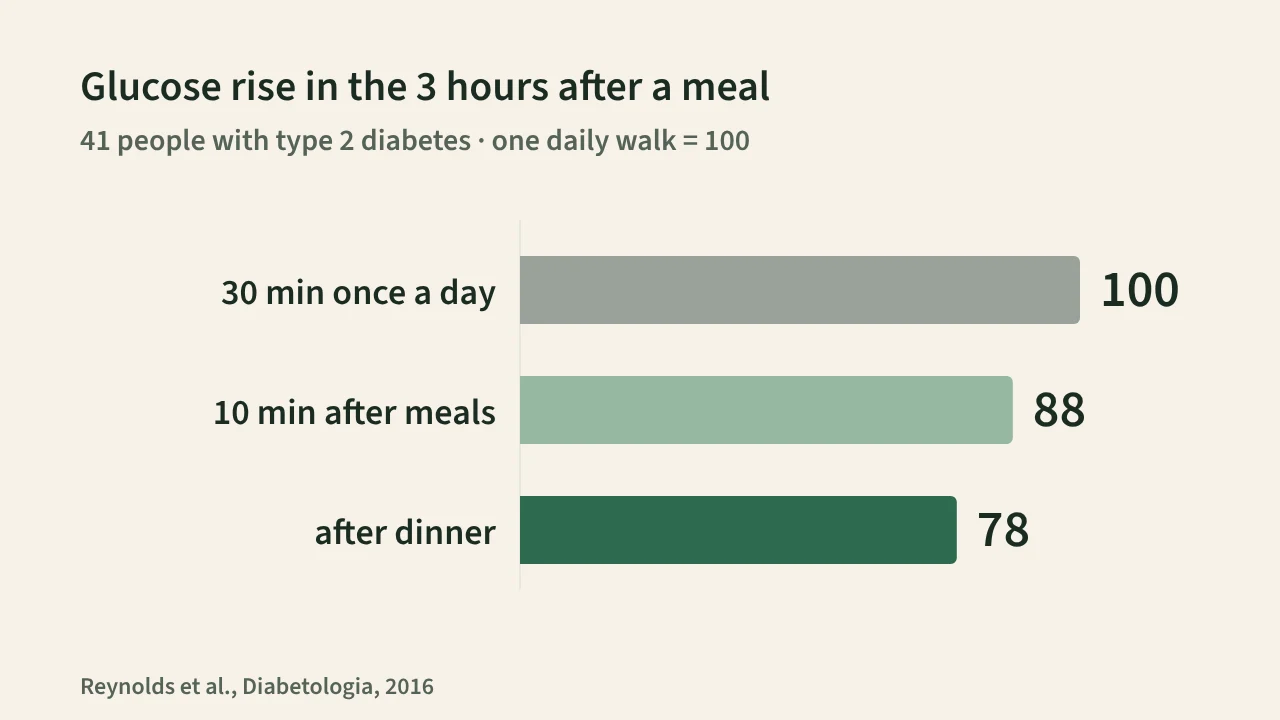
Read the articleTen minutes of walking after each meal lowered the post-meal glucose rise by 12% in 41 people with type 2 diabetes. What it shows and what it does not.
Read the article