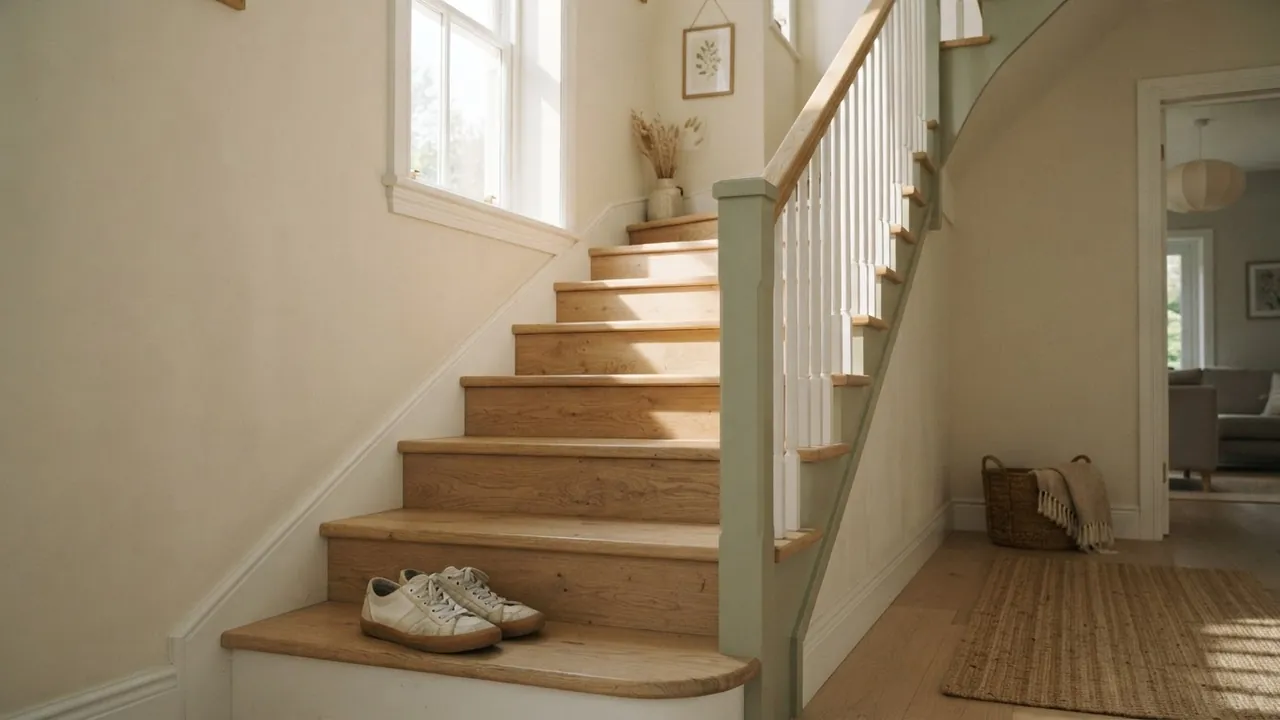
If you do not have the time or the energy for a full workout, a few minutes of movement between tasks is not a throwaway. These exercise snacks improve fitness in people who sit a lot: a 2026 review in the British Journal of Sports Medicine found that, with moderate certainty. They barely move the scale. The same review found no clear effect on body composition, a 2025 review in the Scandinavian Journal of Medicine & Science in Sports found no significant change in weight or fat, and a third, from 2025, in Frontiers in Cardiovascular Medicine, found only a small drop in body-fat percentage and waist, with no effect on body mass. The evidence on fat is mixed. Use the bursts so the day is not spent entirely in a chair, not as a way to “work off” dinner.
What the trials actually compared
An exercise snack in the British Journal of Sports Medicine review meant a bout of about 5 minutes or less, at least twice a day, on at least 3 days a week, for at least 2 weeks. The review kept 11 randomized trials, 414 physically inactive adults and older adults. Cardiorespiratory fitness improved in adults, moderate certainty. Muscular endurance in older adults improved with very low certainty. There was no significant effect on body composition, blood pressure, or blood lipids. And people largely did do them (compliance 91%, adherence 83%). British Journal of Sports Medicine, 2026.
Wan and colleagues pooled 12 randomized trials and 2 non-randomized ones, 483 adults. VO2max rose. Total cholesterol and LDL cholesterol fell. Body weight and body fat did not change in a significant way. Most of the randomized trials were judged “some concerns” for risk of bias, not low risk. Wan et al., Scandinavian Journal of Medicine & Science in Sports, 2025.
Chen, Lu, and colleagues, in Frontiers in Cardiovascular Medicine, included 27 studies and 970 adults. They report a small drop in body-fat percentage (standardized effect −0.21) and in waist circumference (also −0.21), and no clear change in body mass (standardized effect −0.094, not significant). Chen, Lu, et al., Frontiers in Cardiovascular Medicine, 2025. The fat effects are small and disagree with two other reviews that found none, so there is nothing here to promise.
A sample day: five bursts, each under two minutes
Five is just an example, not a requirement from the studies: two bouts a day were enough there. Five short movements help you clear that minimum with some room, without carving out a separate workout.
Tie each one to something you already do every day. How those anchors work is in habits instead of waiting for motivation.
| When | What | About how long |
|---|---|---|
| Kettle on, or coffee pouring | March in place, brisk, arms swinging | Under 2 minutes |
| Before you sit down to work | Chair squats: sit and stand, steady, 10–15 times | Under 2 minutes |
| Mid-morning, when you stand up anyway | Wall push-ups, 8–12, one round | Under 1 minute |
| After lunch | Stairs: up one flight, walk down, repeat until two minutes have passed. No need to run | Under 2 minutes |
| Before you start cooking | Step-ups on the bottom stair, or a sturdy low step, 8–12 each leg | Under 2 minutes |
A little breathlessness and warmth in the muscles is normal; that is the point. Sharp joint pain is a reason to stop. Dizzy, chest pain, or a knee that buckles is a stop, not a rep to finish. If you have a heart condition or a joint that already fails on stairs, ask a clinician before you use the stairs as a workout.
They do not replace a full session. When two minutes start to feel easy, the next step is the beginner home workout: 15–25 minutes, two or three days a week. The short bursts can stay on the days you do not do that session.
If you would rather keep the bursts and make one of them harder, hold a light kettlebell at your chest for the chair squats. The Yes4All vinyl kettlebell (ASIN B0093CMYSM) is sold in single weights; the listing suggests 5–35 lb for beginners, and the light end of that range is where to start. Pick the weight on the listing page before you order. As an Amazon Associate, Lean Wisely earns from qualifying purchases. The kettlebell is optional. A full water bottle held at the chest does the same job at first.
What not to expect from them
They will not, on the evidence above, reliably move the scale. Two reviews found no significant change in weight or fat. One found a small fat and waist effect and still no clear change in body mass. If the goal is a lower weight, the lever is still the week of food: calorie deficit in plain language. A couple of sets of squats will not cover extra calories at dinner.
They also do not add up to the 150 minutes a week of moderate activity that general activity guidelines for adults describe (WHO physical activity fact sheet), unless you are doing far more of them than this list. Five times two minutes is ten minutes: useful, and a long way from a weekly target.
What to do tomorrow
- Pick three of the five and tie them to moments you already have. Two is the minimum from the review; three is a small margin.
- Keep each one under two minutes: because it is short, it is easy to repeat tomorrow.
- Tick it off instead of counting calories: the studies will not tell you what you burned.
- After two weeks, add the two you skipped, or lengthen one burst to five minutes (in the studies a bout lasted up to about five minutes).
- If you want muscle and a session that progresses, add the longer home workout on two days. Leave the bursts for the days in between.
In short
Short workouts of a few minutes are a fitness tool for people who are barely moving. The most reliable finding is a rise in fitness, not a drop on the scale. The fat results disagree with each other. Do a few bursts you can repeat tomorrow. Weight is still a question of both food and movement overall.
Common questions
Do exercise snacks burn belly fat?
There is no evidence for that. The BJSM review found no significant effect on body composition. The Frontiers review found a small average drop in body-fat percentage and waist, and no clear drop in body mass. Neither one is about “fat off the belly.” Visceral fat is a different literature: exercise and visceral fat.
How many do I need?
The BJSM review defines them this way: at least twice a day, at least three days a week, each bout about five minutes or less, for at least two weeks. The five-item day above is a practical way to clear that bar. Nobody studied “five a day” as such.
Are they enough on their own?
For a first step out of a completely still day, yes. For strength that progresses, or for a change on the scale, no. That takes food you actually track, and full workouts.
Sources
- British Journal of Sports Medicine, 2026: 11 randomized trials, 414 inactive adults and older adults. Fitness improved, moderate certainty. No significant effect on body composition, blood pressure, or lipids. PMID 41057224.
- Wan et al., Scandinavian Journal of Medicine & Science in Sports, 2025: 12 randomized trials and 2 others, 483 adults. VO2max up, total and LDL cholesterol down, no significant change in weight or body fat.
- Chen, Lu, et al., Frontiers in Cardiovascular Medicine, 2025: 27 studies, 970 adults. Small effects on body-fat percentage and waist, no clear effect on body mass.
What readers think
Lean Wisely articles are general reading. See the disclaimer.